您好!欢迎访问亨特乐思龙铝业(广东)有限公司官网!
全国咨询热线:176-2065-7556


 行业新闻
在现代建筑设计中,铝单板作为一种轻质、耐用的外墙材料,因其出色的可定制性而备受青睐。铝单板的可定制程度不仅体现在颜色、形状和尺寸上,还包括表面处理、纹理和安装方式等多个方面,这些因素共同决定了建筑物最终的外观效果。
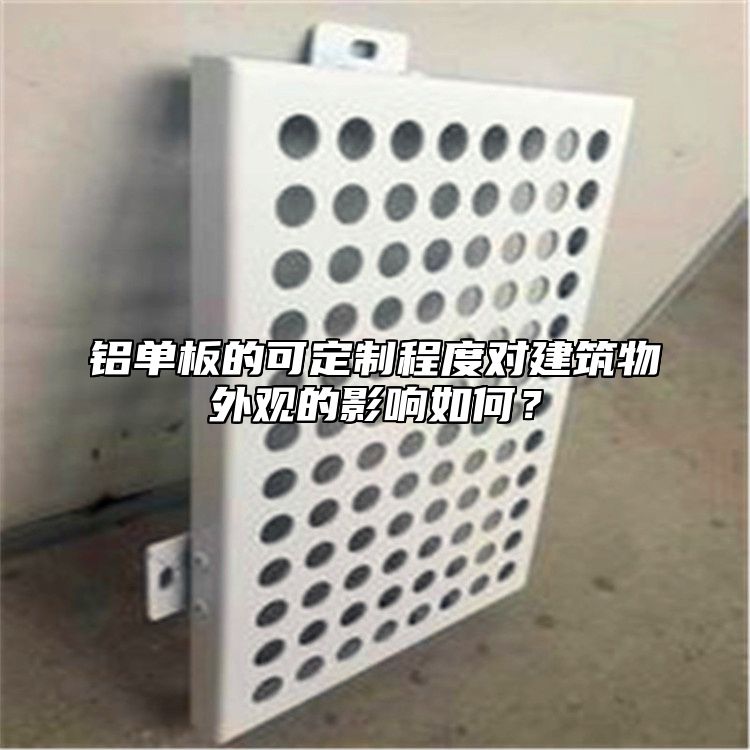
铝单板的颜色定制能力对建筑外观的影响最为直接。建筑师可以根据建筑的整体风格和周围环境,选择与之协调的颜色。无论是经典的银白色、沉稳的灰色,还是鲜艳的红色、蓝色,铝单板都能通过喷涂或阳极氧化等工艺实现。这种灵活性使得建筑能够更好地融入城市景观,或成为地标性建筑,突出其独特性。商业建筑常采用明亮的色彩吸引眼球,而文化建筑则可能选择低调的色调以体现庄重感。
形状和尺寸的可定制性为建筑设计提供了无限可能。铝单板可以通过切割、折弯和冲压等工艺,制成各种复杂的几何形状,如弧形、波浪形或不规则多边形。这使得建筑外墙可以呈现出动态的视觉效果,打破传统矩形建筑的单调性。大型公共建筑,如体育馆或机场, often utilize curved aluminum panels to create a flowing, modern appearance. 定制尺寸允许铝单板适应不同建筑结构的需求,无论是高层建筑的幕墙还是低层建筑的装饰元素,都能实现 seamless integration.
表面处理和纹理的定制 further enhances the aesthetic appeal. 铝单板可以进行仿石、仿木或金属拉丝等处理,模仿自然材料的质感 while maintaining the advantages of lightweight and durability. 这种能力使得建筑在视觉上更加丰富,同时减少了对天然资源的依赖。仿木纹铝单板常用于 eco-friendly projects, providing a warm, natural look without the maintenance issues of real wood.
安装方式的定制 also plays a crucial role in the overall appearance. 铝单板可以采用隐藏式或暴露式安装系统,影响建筑的线条和轮廓。隐藏式安装 creates a clean, minimalist look with uninterrupted surfaces, ideal for contemporary designs. In contrast, exposed fasteners can add an industrial or rustic charm, depending on the project's theme.
高度的可定制性也带来了一些挑战。 over-customization might lead to visual clutter if not properly managed. 建筑师需要在创意和 coherence 之间找到平衡,确保定制元素 enhance rather than overwhelm the building's design. 定制过程可能 increase production time and costs, which need to be factored into the project planning.
In conclusion, the customizability of aluminum panels significantly influences building exteriors by enabling personalized aesthetics, functional adaptability, and sustainable design choices. It empowers architects to create unique, visually striking structures that reflect the intended purpose and context of the building, ultimately shaping the urban landscape in innovative ways.
 行业新闻


