您好!欢迎访问亨特乐思龙铝业(广东)有限公司官网!
全国咨询热线:176-2065-7556


 行业新闻
在现代建筑和装饰材料中,铝单板因其独特的性能而备受青睐,尤其是在追求轻质、高强度和美观的设计中。铝单板为什么被称为轻质材料呢?这主要归功于其材料组成、制造工艺以及物理特性。
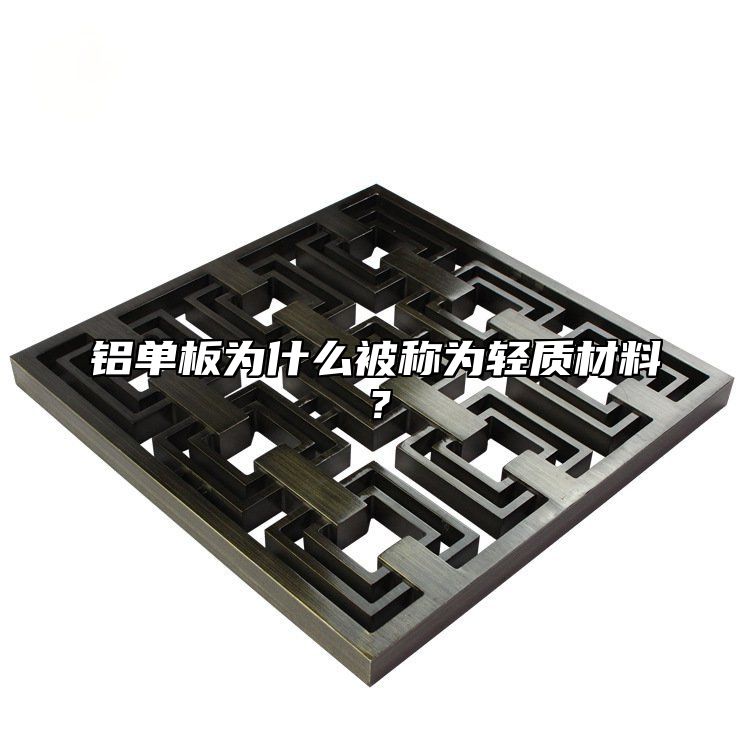
铝单板的核心材料是铝合金。铝合金本身具有低密度的特性,其密度约为2.7克/立方厘米,远低于钢铁的7.8克/立方厘米。这种低密度意味着在相同体积下,铝单板的重量显著更轻。一块标准尺寸的铝单板可能仅重几千克,而相同尺寸的钢板则可能重达数十千克。这种轻量化特性使得铝单板在建筑应用中易于运输、安装和维护,减少了整体结构的负荷,从而提高了安全性和经济性。
铝单板的制造工艺进一步强化了其轻质优势。通过先进的轧制和冲压技术,铝单板可以被制成薄而坚固的板材,厚度通常在1.5毫米到4毫米之间。这种薄型设计不仅保持了材料的强度,还最大限度地减少了重量。铝单板 often采用中空或蜂窝结构设计,内部填充轻质材料如聚氨酯泡沫,这在不牺牲结构完整性的前提下,进一步降低了整体重量。这种创新工艺使得铝单板在高层建筑、幕墙系统和室内装饰中广泛应用,因为它能有效减轻建筑物的自重,从而降低地基要求和抗震风险。
铝单板的物理特性也支持其轻质标签。铝合金具有良好的强度和硬度比,这意味着它可以在承受较大外力时保持形状稳定,而无需增加额外重量。在风压或温度变化下,铝单板不易变形或破裂,这得益于其高屈服强度和抗疲劳性能。这种特性使得设计师可以选择更薄的板材来实现所需的性能,从而进一步减轻重量。相比之下,传统材料如混凝土或砖石往往需要更厚的截面来达到类似强度,导致重量大幅增加。
另一个关键因素是铝单板的可持续性和环保属性,这也间接促进了其轻质声誉。铝材是可回收材料,回收过程能耗低,且不会显著改变其物理 properties。这使得铝单板在生命周期评估中表现出色,因为它减少了资源消耗和废弃物产生。轻质材料通常与节能和减排相关联,因为 lighter structures require less energy for transportation and installation. For instance, in green building certifications like LEED, the use of lightweight materials like aluminum cladding can contribute to points for material efficiency and reduced environmental impact.
在实际应用中,铝单板的轻质特性带来了诸多好处。在建筑领域,它允许设计师创建更复杂和创新的外形,如 curved facades or large-span structures, without the burden of excessive weight. This is particularly important in seismic zones or areas with strict building codes, where weight reduction can enhance safety and compliance. Moreover, in industries such as transportation and aerospace, aluminum panels are prized for their light weight, which improves fuel efficiency and performance.
轻质并不意味着牺牲 durability or aesthetics. Aluminum panels can be coated with various finishes, such as PVDF or polyester, to enhance corrosion resistance and visual appeal. This combination of light weight, strength, and customization options makes aluminum单板 a versatile choice for modern projects.
In conclusion, aluminum单板 is rightly termed a lightweight material due to its low-density aluminum alloy composition, advanced manufacturing techniques that minimize weight while maintaining strength, and excellent physical properties that support efficient design. Its benefits extend beyond mere weight reduction to include sustainability, safety, and aesthetic flexibility, making it a preferred material in contemporary architecture and beyond. As technology evolves, we can expect further innovations that will continue to highlight the advantages of lightweight materials like aluminum单板 in shaping our built environment.
 行业新闻


