您好!欢迎访问亨特乐思龙铝业(广东)有限公司官网!
全国咨询热线:176-2065-7556


 公司新闻
铝单板作为一种广泛应用于建筑外墙和室内装饰的材料,其变色性能一直是用户和设计师关注的焦点。铝单板的变色性能主要受到材料本身、表面处理工艺以及环境因素的影响。铝单板的基础材质是铝合金,这种材料具有良好的耐候性和稳定性,但在特定条件下仍可能发生颜色变化。
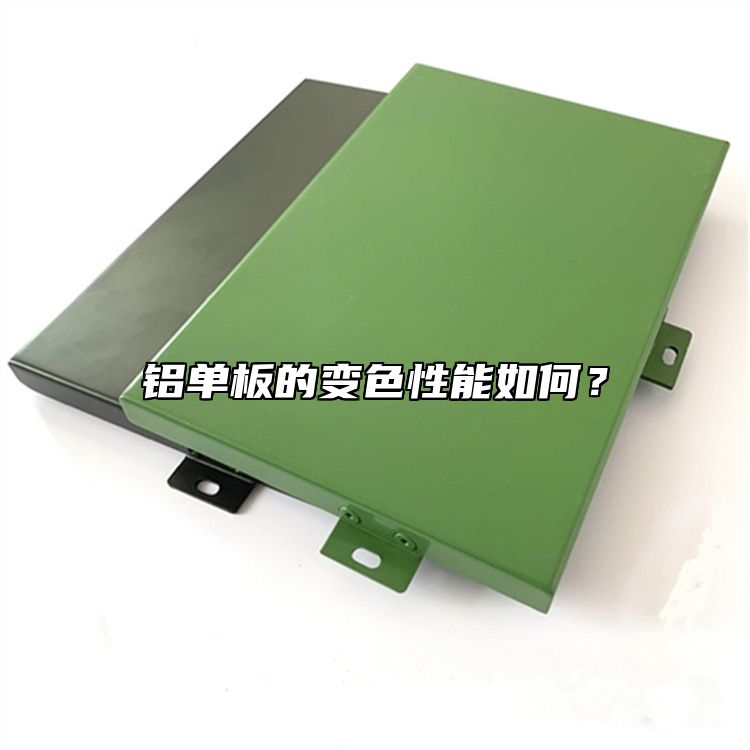
铝单板的表面通常经过喷涂、氟碳涂层或阳极氧化等处理,这些工艺不仅增强了其美观性,还提高了抗变色能力。氟碳涂层铝单板具有出色的耐紫外线性能,能有效抵抗阳光照射导致的褪色和变色。这种涂层通过化学键合与铝基材结合,形成一层保护膜,减少外界环境对颜色的影响。如果涂层质量不佳或施工不当,铝单板可能在长期暴露于高温、湿度或污染环境中出现轻微变色,如泛黄或暗淡。
环境因素是导致铝单板变色的另一个重要原因。在沿海地区,高盐分空气可能加速铝单板的腐蚀和变色过程;而在工业区,酸雨和污染物会与表面涂层发生反应,引起颜色变化。温度波动也可能影响铝单板的稳定性,极端热或冷条件可能导致材料膨胀或收缩,间接促使变色。
为了评估铝单板的变色性能,行业标准如ASTM或ISO测试方法常用于模拟加速老化实验,通过暴露于紫外线、湿热循环等条件来预测长期性能。结果表明,高质量的铝单板在正常使用条件下,变色程度较小,通常保持在可接受的范围内(如ΔE值小于5),这意味着颜色变化对人眼几乎不可察觉。
维护和清洁也 plays a role in preserving the color of aluminum panels. Regular cleaning with mild detergents can remove dirt and pollutants that might cause discoloration over time. Avoid using abrasive cleaners that could damage the surface coating.
In summary, while aluminum panels are generally resistant to color change due to advanced coatings and material properties, factors like environmental exposure and maintenance can influence their performance. Choosing high-quality products from reputable manufacturers and following proper installation and care guidelines can minimize the risk of significant discoloration, ensuring long-lasting aesthetic appeal.
 公司新闻


