您好!欢迎访问亨特乐思龙铝业(广东)有限公司官网!
全国咨询热线:176-2065-7556


 公司新闻
在现代建筑设计中,材料的选择不仅关乎美观,更直接影响到建筑物的功能性、耐久性和整体价值。铝单板作为一种广泛应用的外墙装饰材料,其保温隔热功能正逐渐成为提升建筑物价值的重要因素。随着绿色建筑和节能环保理念的深入人心,铝单板的这一特性不仅满足了建筑规范的要求,还为业主和投资者带来了长远的经济和环境效益。
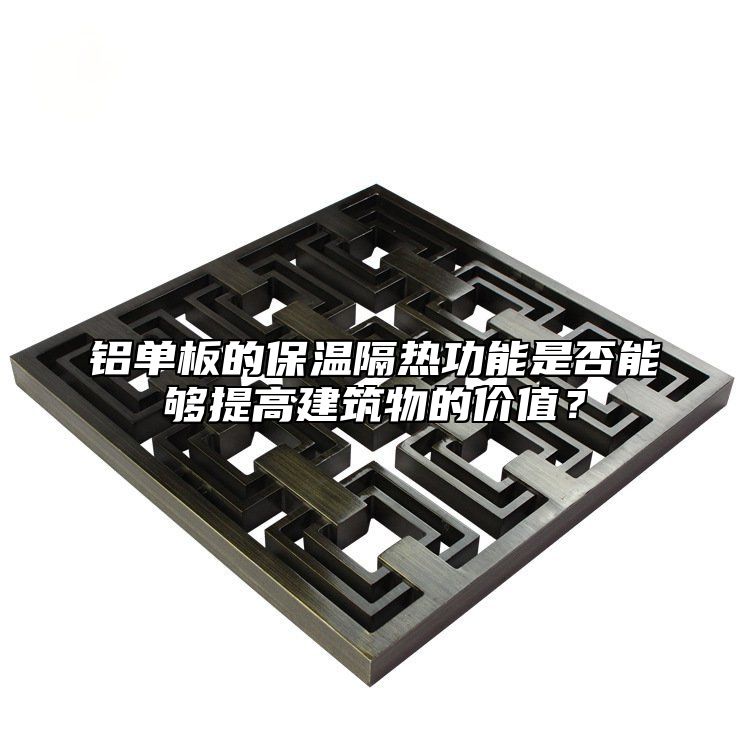
铝单板由铝合金材料制成,表面经过喷涂或阳极氧化处理,具有良好的耐候性和装饰性。更重要的是,铝单板可以与保温材料如岩棉、聚氨酯等结合,形成复合保温系统。这种系统能有效阻隔外部热量传递,减少室内温度波动,从而降低空调和供暖的能耗。研究表明,采用保温隔热铝单板的建筑,其能源消耗可降低20%至30%,这在长期运营中转化为显著的成本节约。
从建筑物价值的角度来看,保温隔热功能直接提升了其市场竞争力。在房地产市场中,节能建筑越来越受到买家和租户的青睐。具备高效保温性能的建筑物往往能获得更高的租金溢价和销售价格,因为用户意识到较低的能源账单意味着更低的居住或运营成本。许多国家和地区推出了绿色建筑认证体系,如LEED或BREEAM,其中节能性能是评分的关键指标。采用铝单板保温系统的建筑更容易获得这些认证,从而增强其品牌形象和市场吸引力。
除了经济价值,铝单板的保温隔热功能还 contributes to environmental sustainability. By reducing energy consumption, these buildings lower greenhouse gas emissions, aligning with global efforts to combat climate change. This not only meets regulatory requirements but also appeals to environmentally conscious stakeholders, including investors and tenants who prioritize corporate social responsibility.
Furthermore, the durability and low maintenance requirements of aluminum panels add to the long-term value of buildings. Unlike some traditional materials, aluminum does not corrode easily and can withstand harsh weather conditions, ensuring that the保温隔热性能 remains effective over decades. This reduces the need for frequent repairs or replacements, further enhancing the building's lifecycle cost efficiency.
In conclusion, the thermal insulation properties of aluminum panels are not merely a technical feature but a strategic asset that elevates the overall value of buildings. Through energy savings, enhanced market appeal, environmental benefits, and durability,铝单板 contributes to a more sustainable and profitable built environment. As the construction industry continues to evolve, integrating such innovative materials will be key to creating buildings that are not only aesthetically pleasing but also economically and environmentally sound.
 公司新闻


